The allure of chance and risk
The psychology of casino gaming is deeply intertwined with the concepts of chance and risk. Gamblers are often drawn to the thrill of uncertainty, where outcomes are unpredictable. This allure can activate specific brain regions associated with reward and pleasure, releasing neurotransmitters such as dopamine. This creates a sense of excitement that many players find irresistible, encouraging them to return to the gaming floor for more. Additionally, many also explore new casinos online to experience this excitement in a different environment.
Moreover, the potential for significant rewards, despite the inherent risks, often fuels a gambler’s desire to play. The possibility of hitting the jackpot becomes a powerful motivator, leading individuals to continue betting in hopes of achieving that life-changing win. This psychological dynamic showcases how chance can blur the lines between rational decision-making and emotional impulse.
The role of environment and design
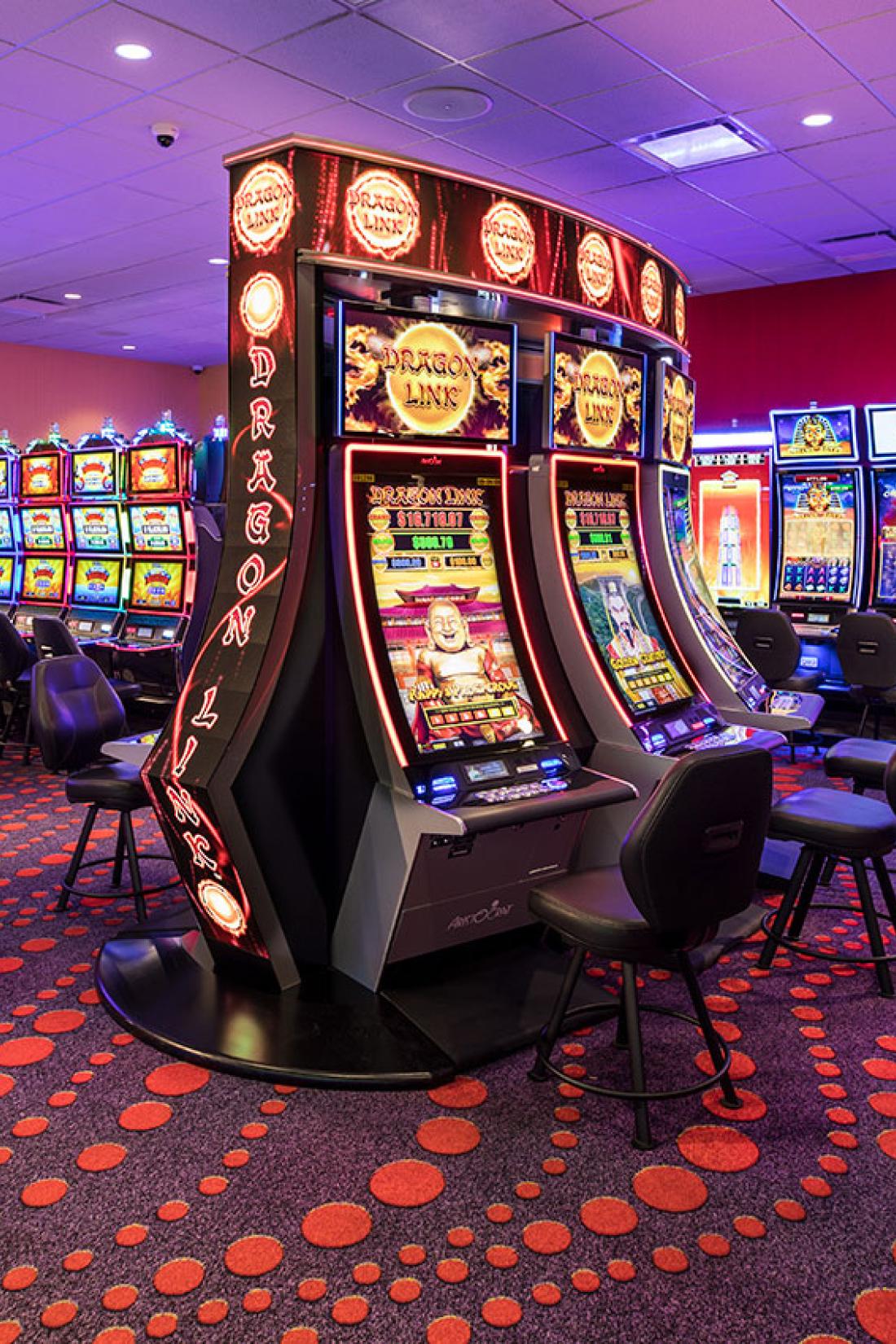
The environment of casinos is meticulously crafted to enhance the gaming experience. From the vibrant colors and sounds to the layout of gaming machines, every element is designed to stimulate players and encourage prolonged play. The absence of clocks and windows further contributes to a sense of timelessness, allowing individuals to lose track of time while immersed in gaming activities.
This sensory bombardment can create a euphoric state, often referred to as the “casino effect,” where players may feel invincible or overly confident in their chances of winning. This manipulation of environmental factors plays a significant role in escalating gambling behavior, as people become entranced by the sights and sounds that surround them, making it difficult to disengage.
Addiction and the psychology of gambling
Gambling addiction can stem from the same psychological mechanisms that draw people to casinos in the first place. For some, the excitement of gambling can lead to compulsive behavior, where the individual feels a constant urge to gamble despite negative consequences. This addiction often intertwines with emotional states, as individuals may gamble to escape stress, anxiety, or other life challenges.
Cognitive distortions, such as the illusion of control and the gambler’s fallacy, can further exacerbate gambling addiction. Players might mistakenly believe they can influence random outcomes or that a losing streak must be followed by a win, leading them to chase losses and spend more time and money at the casino.
The impact of social factors on gaming behavior
Social interactions significantly influence casino gaming behavior, as environments often promote a communal atmosphere. Players may feel encouraged to engage because of peer pressure or a desire to emulate others. This social aspect not only enhances the excitement of gaming but can also fuel an addictive cycle, as individuals may game in groups or seek the approval of fellow gamblers.
Furthermore, casinos often implement loyalty programs and social rewards to reinforce their players’ behaviors. These initiatives can create a sense of belonging, whereby individuals feel more connected to the casino establishment and are consequently motivated to gamble more frequently. This intricate interplay between social dynamics and gambling habits contributes to the overall understanding of casino psychology.

Understanding responsible gambling and support
Recognizing the complexities of casino gaming behavior is vital in promoting responsible gambling practices. Organizations and casinos alike are increasingly prioritizing player protection by providing resources and support for those who may struggle with gambling addiction. This includes self-exclusion programs, counseling services, and educational initiatives that aim to inform gamblers about the risks associated with gaming.
Efforts to foster a safer gaming environment not only benefit individuals but also enhance the reputation of casinos within the community. By acknowledging the psychological aspects of gambling behavior and actively working to address them, establishments can contribute to a healthier perspective on gaming and encourage responsible habits among players.